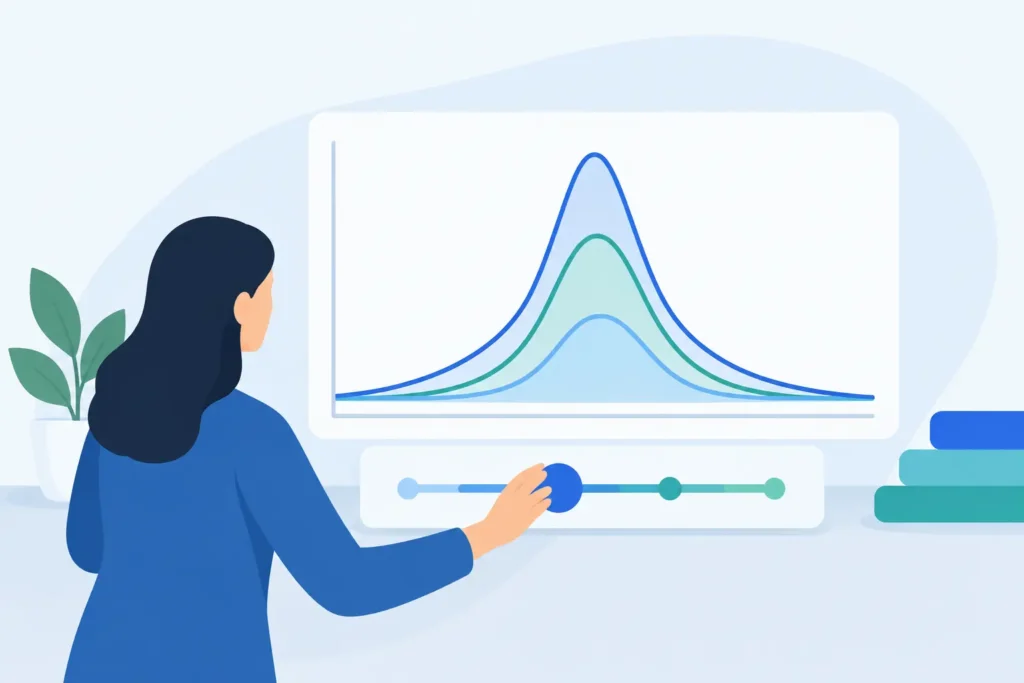
Regularization Parameter Selection for Peak Models
Regularization parameter selection helps analytical scientists control noise, preserve real peaks, and produce defensible fitted models from raw data.
Read ArticleDiscover product updates, software tutorials, technical insights, and practical resources to help you get more from R²N Software solutions.
Regularization parameter selection helps analytical scientists control noise, preserve real peaks, and produce defensible fitted models from raw data.
Read Article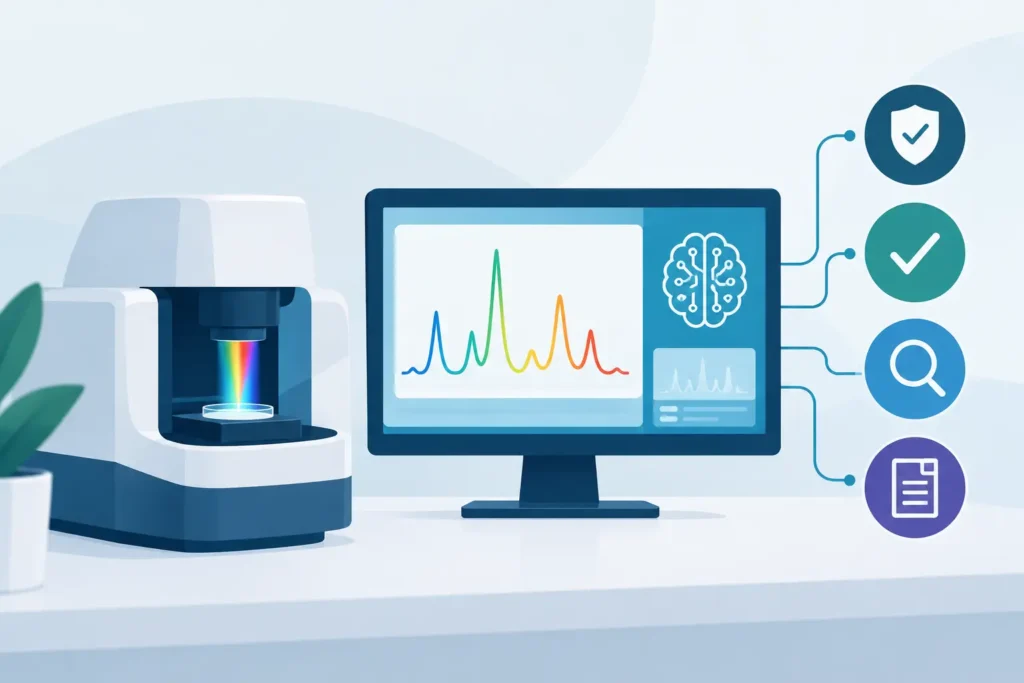
Spectroscopy AI accelerates spectral analysis, but defensible results still require validated baselines, constrained models, and statistical evidence.
Read Article
Guide to 3D spectral modeling for defensible analysis: manage baseline drift, overlap, noise, constraints, validation, and reproducible results in labs.
Read Article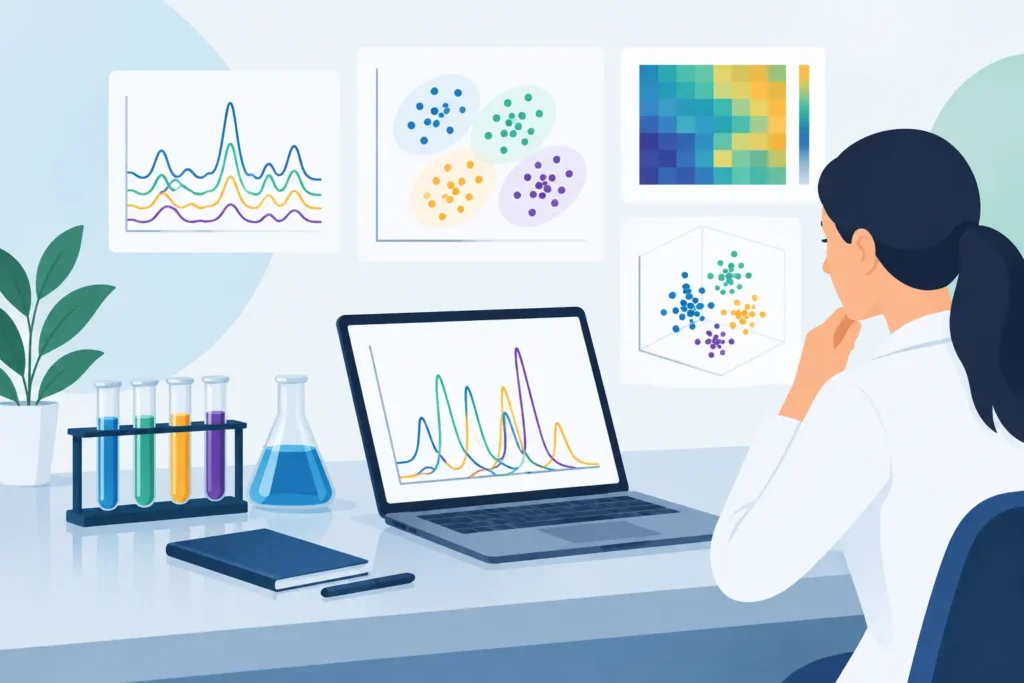
A guide to chemometric data analysis for building validated, interpretable models from complex spectroscopy, chromatography, and MS data sets for research.
Read Article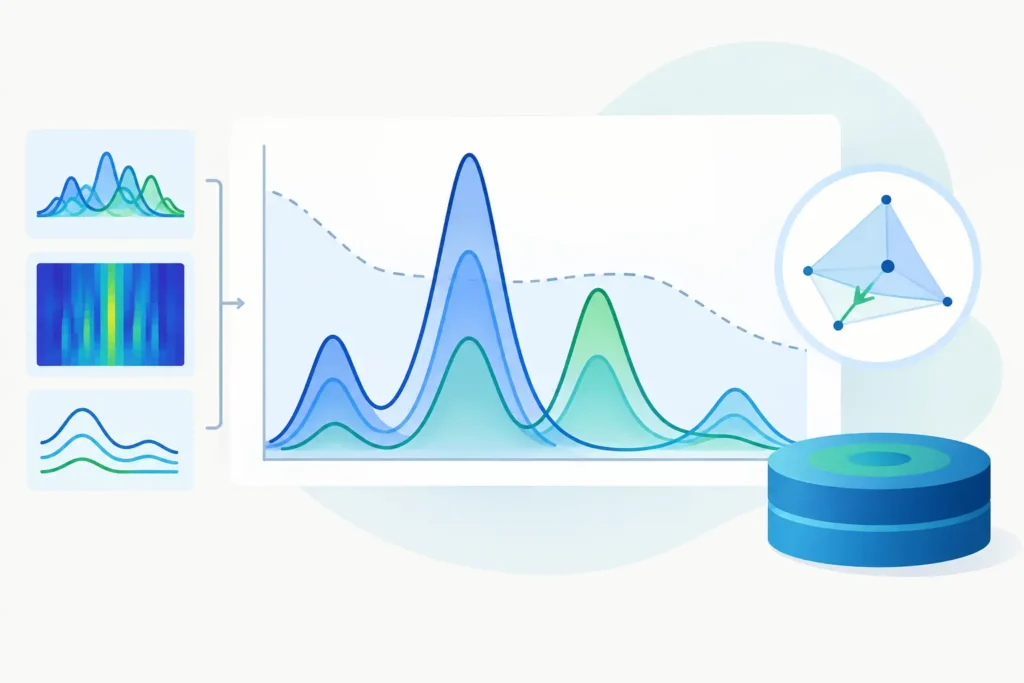
Learn how to optimize constrained spectral models using defensible parameters, realistic baselines, uncertainty testing, and reproducible fit reports.
Read Article
Pharmaceutical impurity modeling turns overlapping chromatographic signals into defensible impurity estimates for development, release, and investigations.
Read Article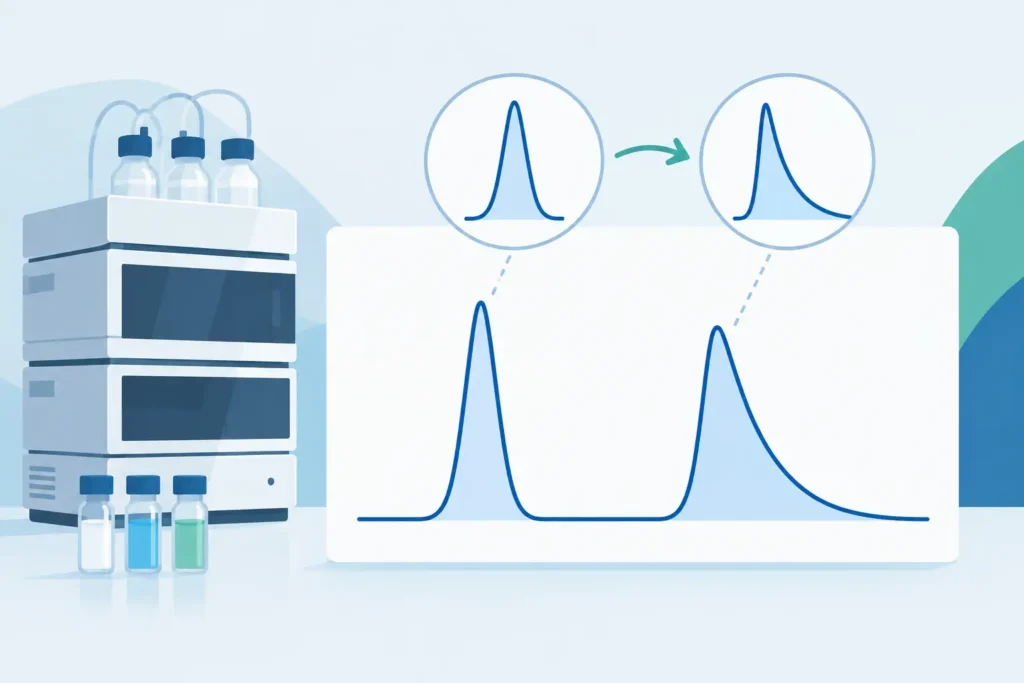
Learn to model asymmetric chromatographic peaks with defensible functions, baselines, constraints, and diagnostics for reliable quantitative results now
Read Article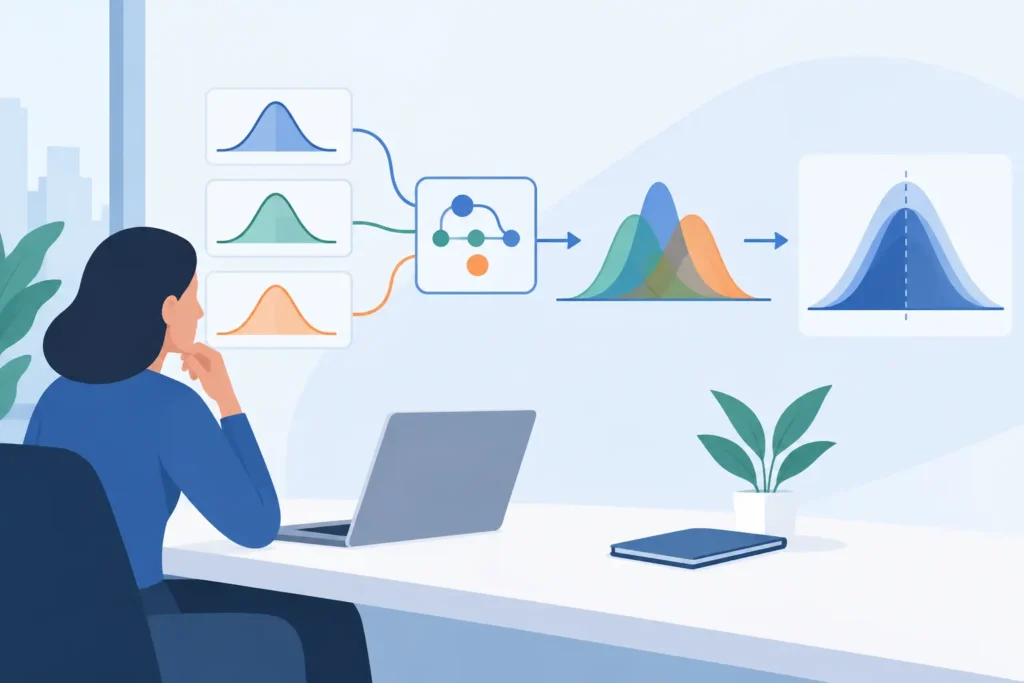
This guide to uncertainty propagation analysis explains how fitted-model errors become defensible confidence intervals for analytical decisions in labs.
Read Article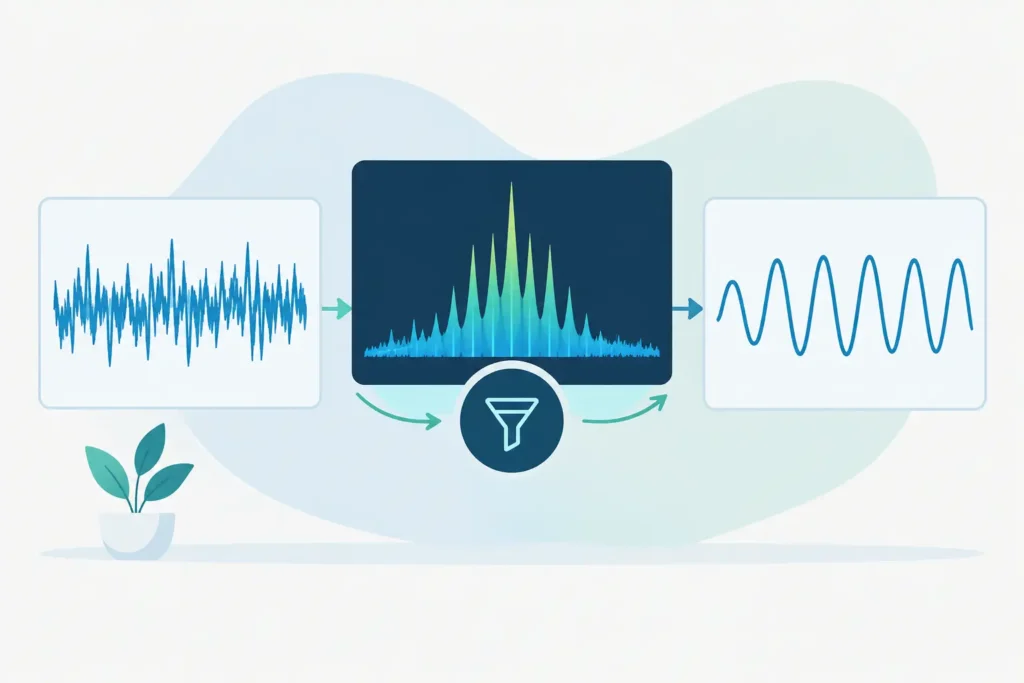
Compare the best methods for spectral denoising, from Savitzky-Golay and wavelets to PCA, with guidance for preserving valid peak data without peak loss.
Read Article
Peak detection & placement determines whether a fitted signal reflects real chemistry or a convenient curve. Use disciplined workflow for defensible results.
Read Article