Spectroscopy AI: What Makes Results Defensible
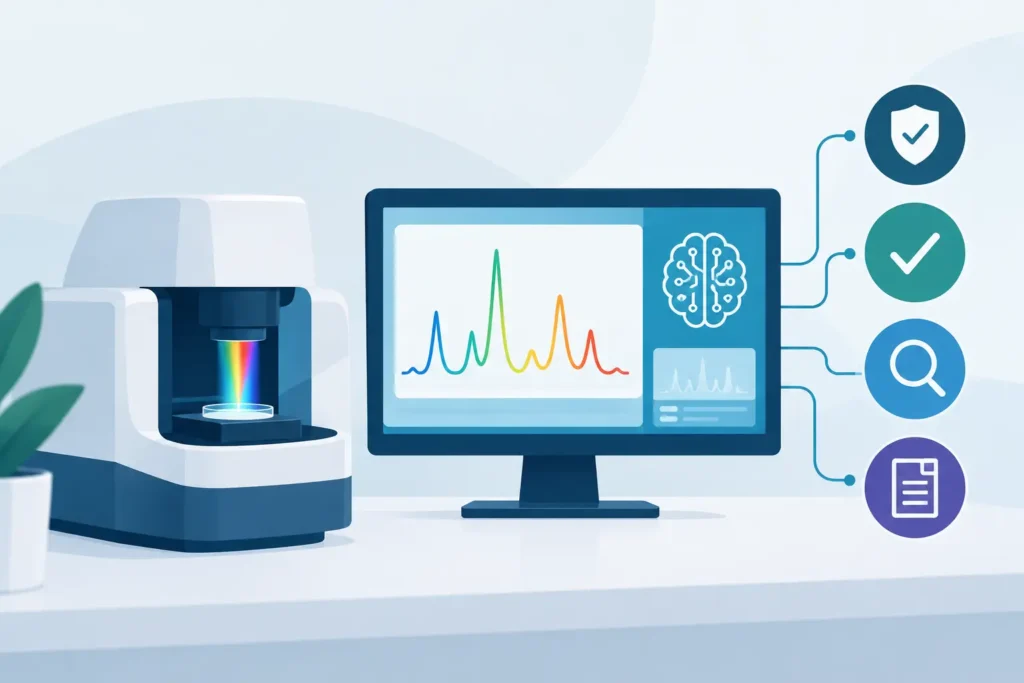
Spectroscopy AI accelerates spectral analysis, but defensible results still require validated baselines, constrained models, and statistical evidence.
Read Article →Scientific computing, spectroscopy, chromatography, peak fitting and statistical analysis resources.
Spectroscopy AI accelerates spectral analysis, but defensible results still require validated baselines, constrained models, and statistical evidence.
Read Article →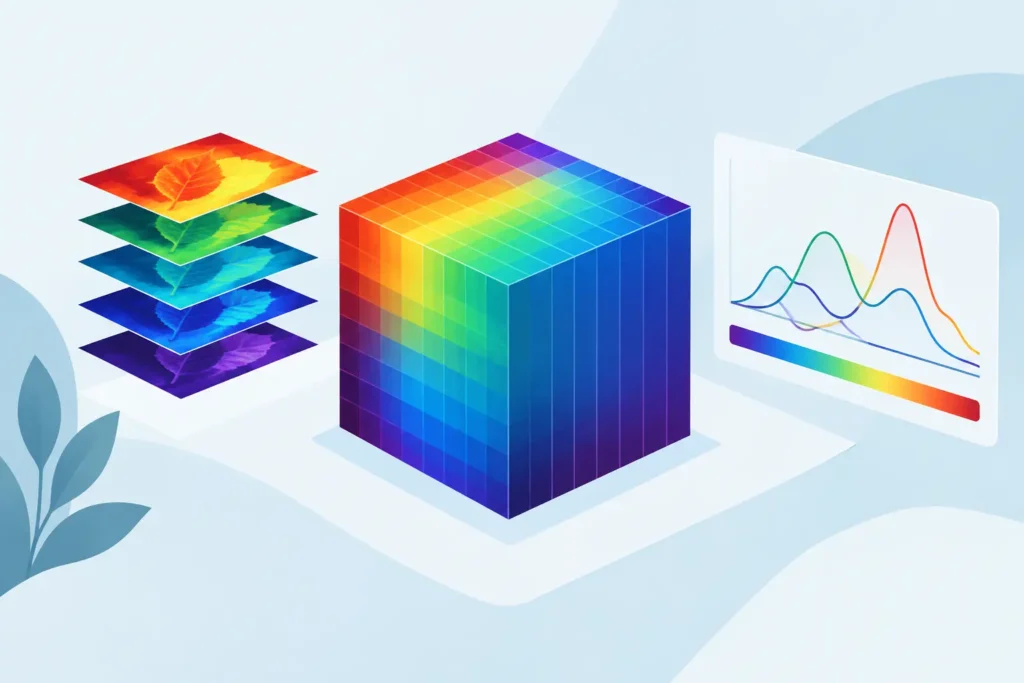
Guide to 3D spectral modeling for defensible analysis: manage baseline drift, overlap, noise, constraints, validation, and reproducible results in labs.
Read Article →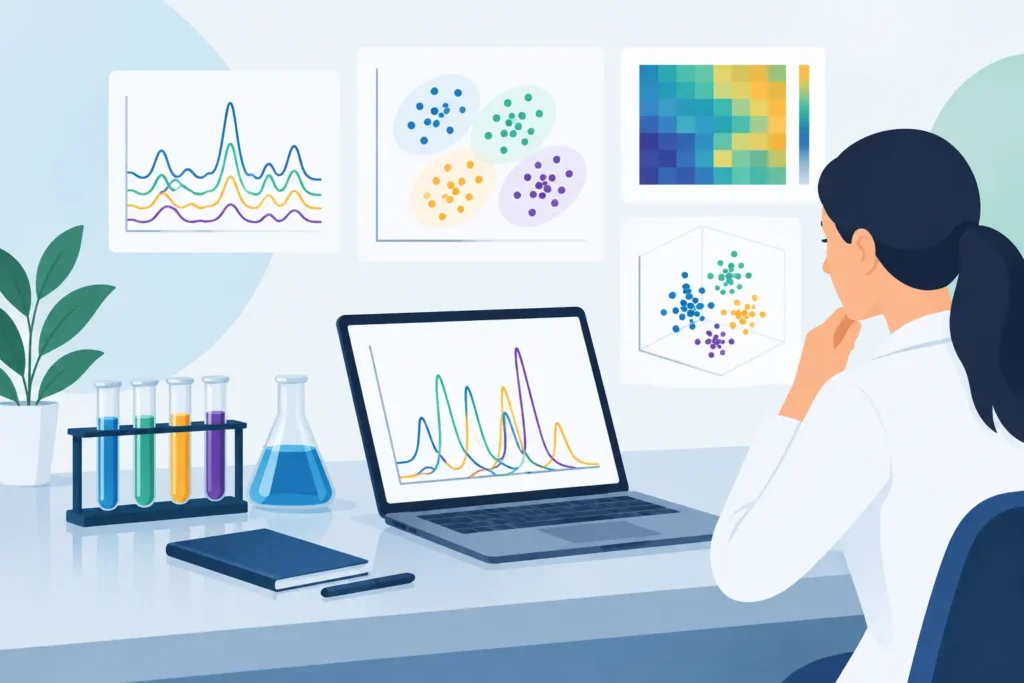
A guide to chemometric data analysis for building validated, interpretable models from complex spectroscopy, chromatography, and MS data sets for research.
Read Article →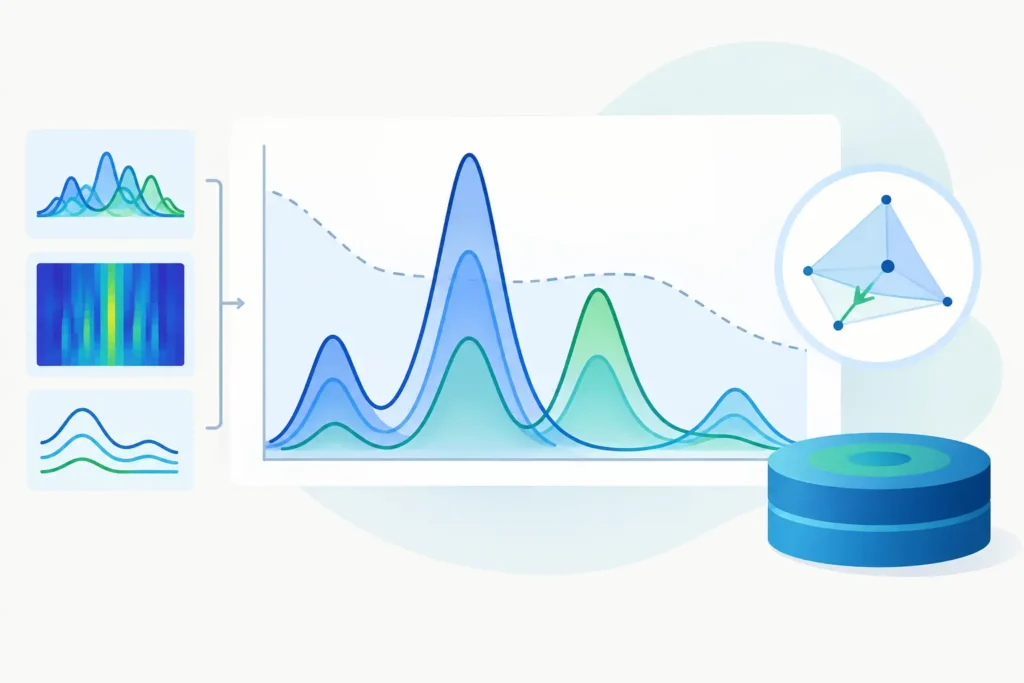
Learn how to optimize constrained spectral models using defensible parameters, realistic baselines, uncertainty testing, and reproducible fit reports.
Read Article →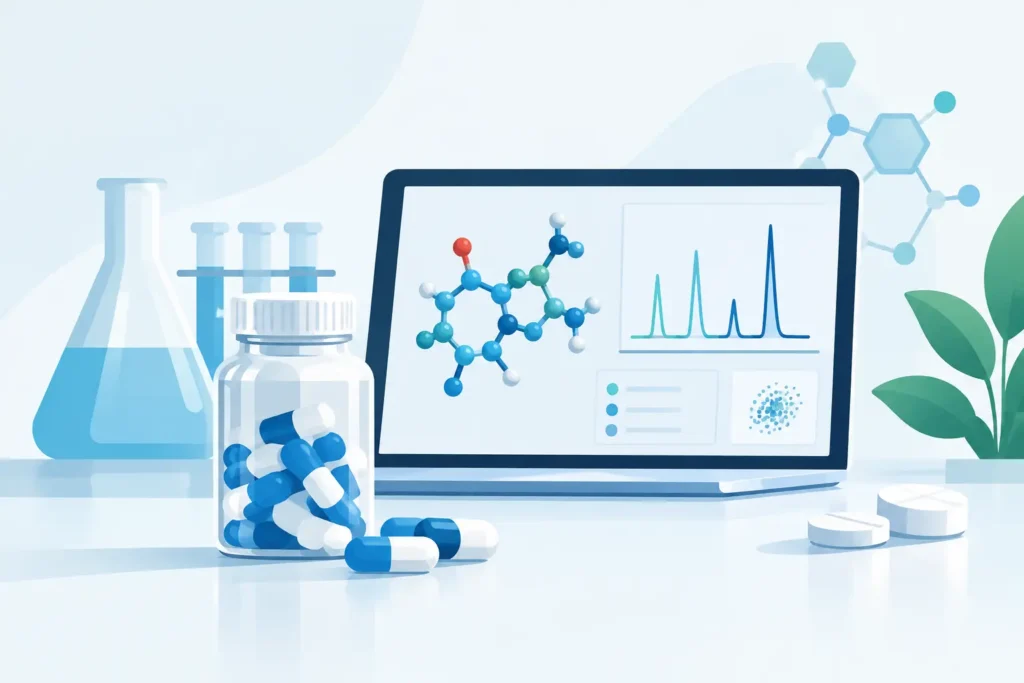
Pharmaceutical impurity modeling turns overlapping chromatographic signals into defensible impurity estimates for development, release, and investigations.
Read Article →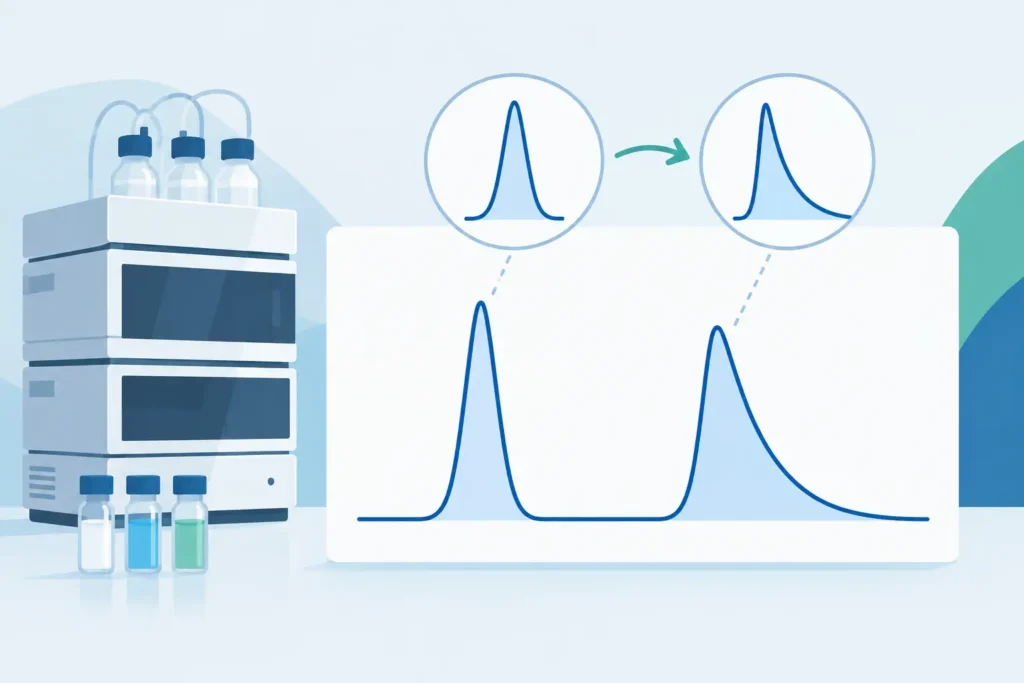
Learn to model asymmetric chromatographic peaks with defensible functions, baselines, constraints, and diagnostics for reliable quantitative results now
Read Article →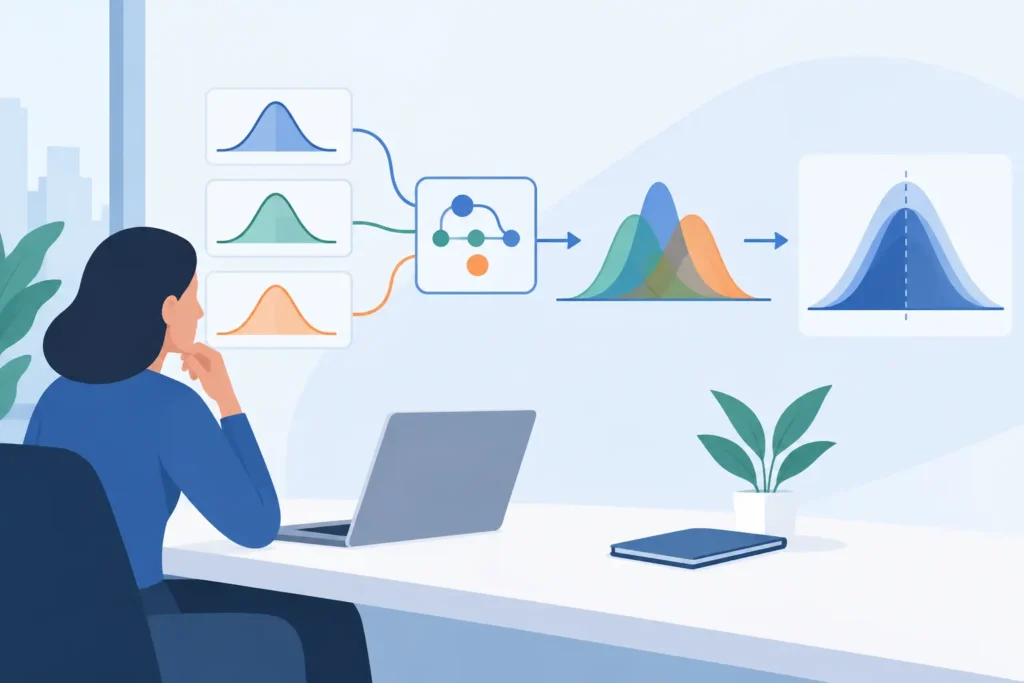
This guide to uncertainty propagation analysis explains how fitted-model errors become defensible confidence intervals for analytical decisions in labs.
Read Article →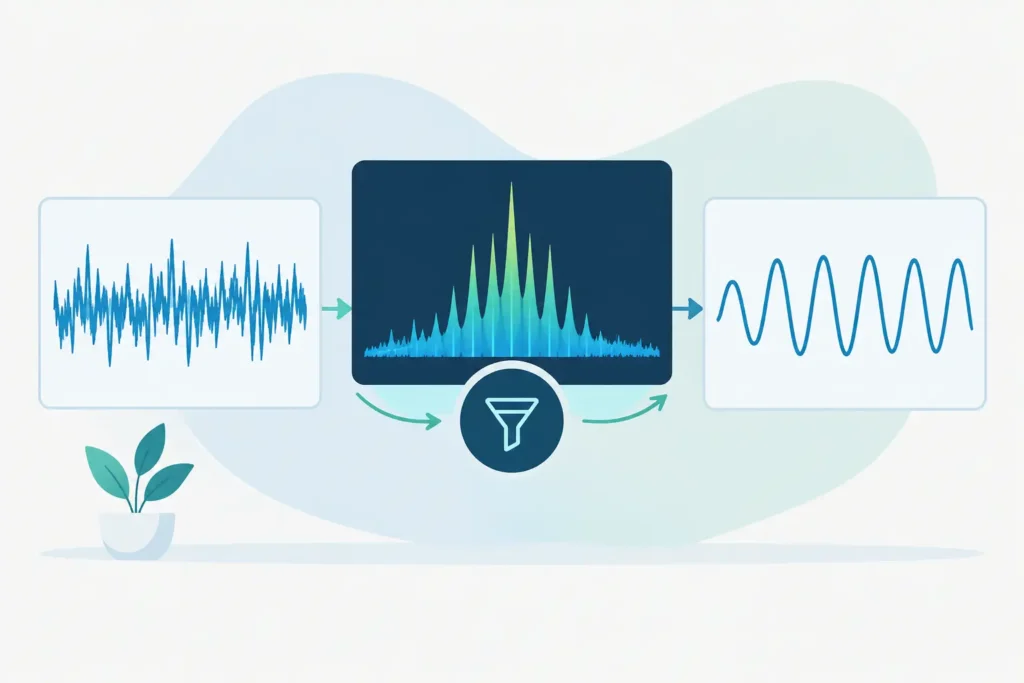
Compare the best methods for spectral denoising, from Savitzky-Golay and wavelets to PCA, with guidance for preserving valid peak data without peak loss.
Read Article →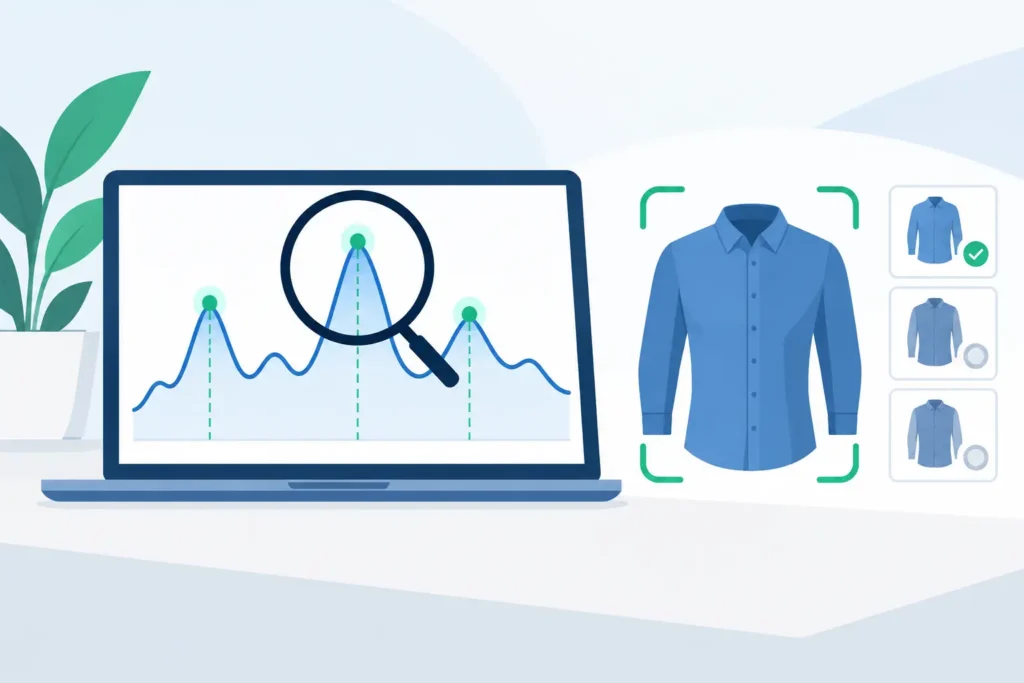
Peak detection & placement determines whether a fitted signal reflects real chemistry or a convenient curve. Use disciplined workflow for defensible results.
Read Article →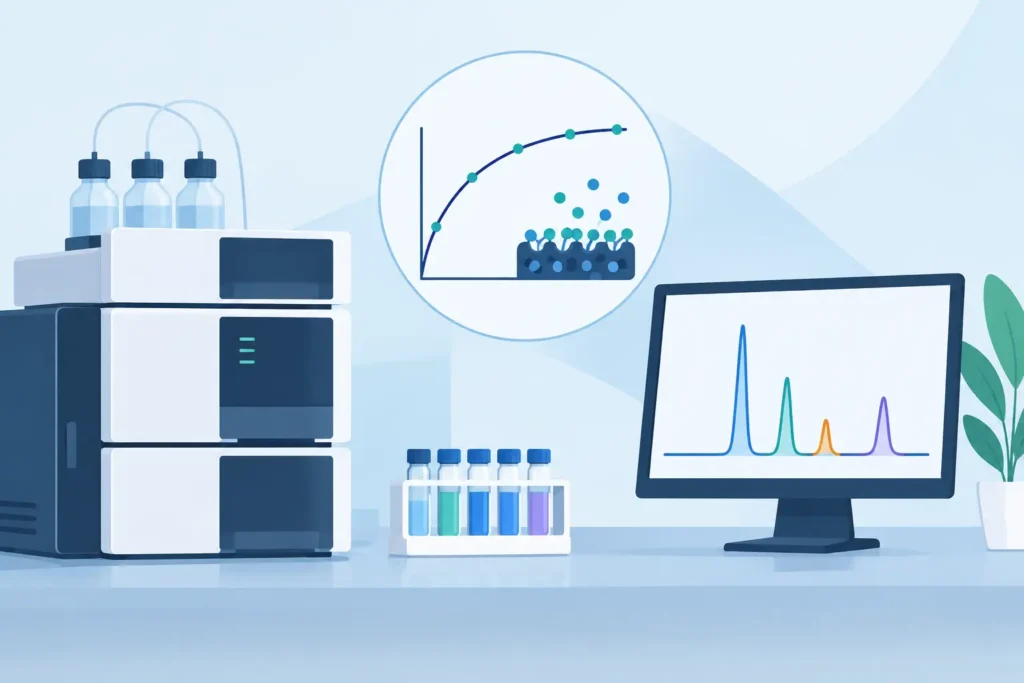
Non-linear chromatography (NLC) explains overloaded separations, distorted peaks, and the models needed for defensible method development and scale-up.
Read Article →